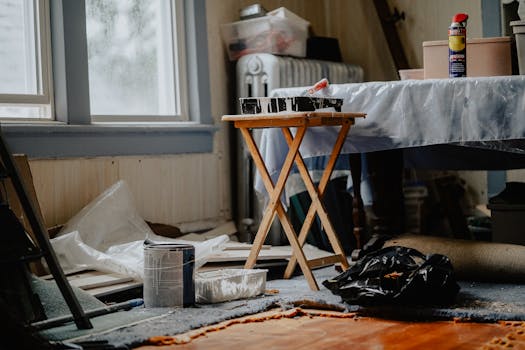
I remember walking into an old Victorian in rural England for the first time. Dust motes danced in the shafts of sunlight piercing through grimy panes, and the air was thick with the scent of aged timber and forgotten lives. It wasn’t just a building; it was a story etched in faded wallpaper and creaking floorboards. This is the essence of a restoration home – a place not just waiting for repair, but for revival, for a reconnection with its past while embracing a future. It’s a journey far more profound than simply slapping on a fresh coat of paint.
Many people approach a restoration project with a clear vision of the “after” – gleaming surfaces, modern amenities, and a fresh, contemporary feel. And while that’s a worthy goal, I’ve found that truly successful restoration homes are born from a deeper understanding, a respect for what came before. They are about weaving the old into the new, allowing the history of the house to inform its transformation.
The Unspoken Language of Old Homes
Every creak, every uneven floorboard, every patch of original plaster whispers tales of its former inhabitants. A genuine restoration home project isn’t just about fixing structural issues; it’s about listening to these whispers. Have you ever noticed how some old homes just feel “right”? That intangible warmth often comes from preserving elements that speak to the building’s soul. This could be anything from intricate cornices and period hardware to the very layout of the rooms, which often reflects a different pace of life.
Ignoring these nuances can lead to a sterile, soulless renovation. It’s like trying to tell a compelling story but only reading the last chapter. The beauty of restoring an older property lies in the opportunity to become a custodian of its legacy, adding your own chapter without erasing what made it special.
Navigating the Architectural Narrative: Preservation vs. Modernization
This is where the art of restoration truly shines. It’s a delicate dance between honoring the past and integrating the conveniences of the present. The key isn’t to preserve everything in amber, but to make informed decisions about what to highlight, what to integrate, and what to respectfully update.
Original Features as Anchors: Think about the grand fireplace, the stained-glass window, or the beautiful, albeit worn, staircase. These are the anchors of your home’s narrative. Prioritize their preservation and, where possible, their enhancement.
Sympathetic Additions: When adding modern elements, aim for materials and styles that complement, rather than clash with, the existing architecture. A sleek, minimalist extension can work beautifully if its form and materials are thoughtfully considered against the backdrop of a Victorian facade, for instance.
Hidden Modernity: Modern services like plumbing, heating, and electrical systems are essential. The trick is to integrate them discreetly. Can pipes be run through new stud walls rather than through original plaster? Can updated wiring be routed to minimize disruption to original finishes? This careful planning ensures the home functions efficiently without sacrificing its historical character.
The Emotional Investment: More Than Just a Property
Owning and restoring an older property often elicits a strong emotional response. It’s not just an investment in real estate; it’s an investment in history, in a tangible connection to bygone eras. I’ve seen homeowners pour their hearts and souls into these projects, not just for the financial return, but for the sheer joy of breathing new life into a forgotten gem.
This emotional attachment can be a powerful motivator, but it can also sometimes cloud judgment. It’s vital to balance this passion with practical considerations. Are you passionate about this specific historical period, or just the idea of an old house? Understanding your motivations will guide your choices. For example, if you adore the Arts and Crafts movement, you’ll approach a period home with a different lens than someone captivated by Georgian symmetry.
Unlocking Hidden Potential: The Unexpected Treasures
One of the most exciting aspects of any restoration home project is the discovery of hidden gems. I’ve heard tales of builders uncovering original fireplaces behind plasterboard, finding forgotten letters tucked away in walls, or revealing stunning original flooring beneath layers of carpet. These discoveries aren’t just valuable; they add layers of authenticity and intrigue to your home’s story.
Survey Thoroughly: Before any major work begins, a comprehensive survey is crucial. This can uncover structural issues, but also potential historical elements that might otherwise be lost.
Document Everything: Keep a detailed record of your progress, especially any discoveries. This documentation can be invaluable for understanding your home’s evolution and for future reference. It also makes for a fascinating personal archive.
Research Local History: Often, understanding the history of the area and previous owners can shed light on unique features or architectural styles. This research can transform a simple renovation into a deeply personal historical exploration.
The Long Game: Embracing the Imperfect Beauty
Restoration is rarely a quick fix. It’s a marathon, not a sprint. There will be unexpected challenges, budget overruns, and moments of doubt. However, the reward lies in the journey itself and in the creation of a home that is truly unique, imbued with character and history. It’s about embracing the imperfect beauty that only time can bestow.
A well-executed restoration home project doesn’t just add value to your property; it adds immeasurable value to your life. It creates a space that is not only beautiful and functional but also deeply resonant, a place where stories of the past and present coexist harmoniously.
Wrapping Up: The Enduring Allure of a Story Told in Stone and Wood
So, when you consider a restoration home, look beyond the structural integrity and the aesthetic appeal. See the potential for narrative, for connection, for a dialogue between eras. It’s about more than just renovating; it’s about curating a living history.
What element of your home’s past do you most dream of bringing back to life?